Introduction: Escaping the Dopamine Trap of Short-Form Children’s Media
There is a particular sound that defines the modern childhood afternoon: the frantic, staccato loop of a short-form video. It is a sound engineered not for reflection, but for retention—a digital sugar rush that spikes dopamine and leaves attention spans depleted. In an era where algorithms prioritize the next three-second thrill over the slow burn of a narrative arc, the cognitive development of young minds is facing an unprecedented challenge. We are raising a generation accustomed to instant gratification, yet we wonder why they struggle to sit with a book or listen to a story that takes time to unfold.
This is where the deliberate act of reclaiming story time becomes radical. Classic children’s literature—the works of Hans Christian Andersen, the Brothers Grimm, and Aesop—offers a counter-narrative to the noise. These tales are not merely entertainment; they are cognitive architecture. They demand patience, they reward empathy, and they build the neural pathways required for deep focus. By introducing classic children audiobooks young adult reading habits early, we aren’t just filling silence; we are constructing a sanctuary for the mind.
At Sheerenza, we believe that the commute to school, the quiet hour before bed, or the lazy Sunday afternoon can be transformed into an oasis of knowledge. Our mission is to turn “dead time” into purposeful self-improvement, using the timeless power of the spoken word to nourish young intellects. Let us explore how these enduring tales, delivered through the intimacy of audio, can spark a lifelong curiosity that no screen can satisfy.
The Enduring Pedagogical Value of Hans Christian Andersen and Classic Fables
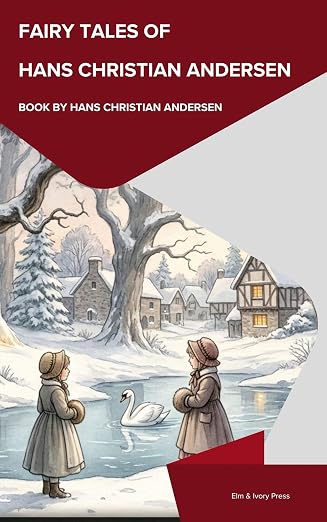
Long before the invention of the smartphone, stories were the primary vehicle for moral and intellectual instruction. Hans Christian Andersen, a master of the literary fairy tale, understood that children do not learn through lectures, but through metaphor. In tales like The Little Mermaid or The Snow Queen, complex themes of sacrifice, resilience, and the nature of good versus evil are wrapped in enchanting narratives. These stories possess a pedagogical weight that modern, simplified cartoons often lack. They ask children to grapple with ambiguity—to understand that the world can be beautiful and cruel, and that virtue often requires suffering.
Similarly, the classic fables of Aesop provide a foundational understanding of human nature. “The Tortoise and the Hare” is not just a story about a race; it is a lesson in the dangers of hubris and the value of persistence. When children engage with these texts, they are practicing abstract reasoning. They are learning to extrapolate a moral from a narrative, a skill that translates directly to critical thinking in later academic years. The language used in these classic editions is often richer and more complex than contemporary children’s books, exposing young listeners to sophisticated sentence structures and a broader emotional vocabulary.
Moreover, the historical context of these tales offers a window into cultural heritage. Andersen’s Denmark, the oral traditions of the Brothers Grimm, and the ancient world of Aesop provide a map of human history. By listening to these stories, children are not just being entertained; they are being initiated into the great conversation of civilization. They are learning that the struggles they face—fear, jealousy, love, and hope—are universal and have been navigated by others for centuries.
How Audiobooks Accelerate Vocabulary Acquisition and Verbal Confidence
While reading is fundamental, listening is primal. The human brain is wired for oral language, and audiobooks leverage this biological predisposition to accelerate literacy. When a child listens to a professional narrator, they are absorbing the correct pronunciation, intonation, and rhythm of complex sentences. This auditory immersion is a powerful tool for vocabulary acquisition. A child reading a book might skip over an unfamiliar word, but a narrator’s voice brings it to life, embedding it in the context of the story. Research suggests that children who listen to audiobooks often demonstrate higher reading comprehension levels because they are exposed to vocabulary far beyond their current reading grade level.
Furthermore, audiobooks serve as a model for verbal confidence. Listening to a skilled narrator articulate dialogue and prose helps children internalize the flow of conversation and the cadence of storytelling. This is particularly beneficial for reluctant readers or those learning English as a second language. The pressure to decode text is removed, allowing the child to focus entirely on meaning and narrative flow. This builds a positive association with literature, preventing the frustration that often leads to a dislike of reading.
For the young adult reader, audiobooks offer a bridge between the childhood joy of being read to and the independence of reading alone. They can tackle denser classics—like Treasure Island or Little Women—with the support of a narrator who guides them through archaic language and historical references. This accessibility ensures that the classics remain a living part of their intellectual diet, rather than dusty relics reserved for the classroom.
Bedtime Rituals Reimagined: Creating Safe, Screen-Free Audio Environments
The hour before sleep is sacred. It is a time when the brain consolidates memories and processes the emotions of the day. Yet, in many homes, this time is invaded by the blue light of tablets and the jarring sounds of video games. Replacing these with a classic children’s audiobook is a transformative act of parenting. It creates a boundary between the chaos of the day and the peace of the night. The gentle voice of a narrator becomes a lullaby, guiding the child into a state of relaxation that screens actively disrupt.
Creating a screen-free audio environment is not just about sleep hygiene; it is about fostering imagination. When a child watches a video, the visual work is done for them. When they listen to an audiobook, they must build the world in their own minds. They must visualize the dark forest, the shimmering castle, and the brave hero. This active visualization is a crucial exercise for cognitive development, enhancing creativity and problem-solving skills. It is a form of play that requires no toys, only attention.
Sheerenza’s curated collection is designed to support these rituals. Our unabridged audiobooks allow families to experience the full, unedited text of the classics, ensuring that no nuance or beautiful description is lost. With our 1-day digital delivery, you can decide on a Tuesday evening that you want to start The Secret Garden, and have it ready for bedtime on Wednesday. There is no waiting for shipping, no subscription traps—just immediate access to the stories that shape young minds.
Connecting Generations: Sharing the Stories Your Grandparents Loved
There is a unique magic in sharing a story that has survived generations. When a grandparent reads Peter Pan to a grandchild, they are not just sharing a book; they are sharing a piece of their own childhood. Classic literature acts as a bridge across time, connecting the digital native to the analog past. These stories—Alice in Wonderland, The Wind in the Willows—are cultural touchstones. They provide a shared language and a common set of references that unite families.
In our fast-paced world, the intergenerational transfer of wisdom is often lost. Grandparents may live far away, or the generational divide may feel too wide to bridge. Audiobooks offer a solution. A family can listen to a classic tale during a road trip, or a grandparent can record their own reading of a favorite fable. The shared experience of listening to a story creates a space for conversation. “Why did the Emperor pretend to see the clothes?” a child might ask, opening a door to a discussion about pride and honesty that spans generations.
By curating these classic editions, Sheerenza aims to preserve this heritage. We verify that our public domain selections are not just free, but of high quality, ensuring that the stories your grandparents loved are presented with the clarity and respect they deserve. This is not nostalgia for nostalgia’s sake; it is the preservation of a shared cultural memory that is essential for a cohesive society.
The Sheerenza Safety Standard: Family-Friendly Classic Editions with Zero Subscriptions
In a digital landscape cluttered with subscriptions, hidden fees, and inappropriate content, Sheerenza stands as a beacon of safety and simplicity. We understand that parents are overwhelmed. You do not want to navigate a labyrinth of cancellation policies or worry about what an algorithm might recommend next. Our philosophy is straightforward: you buy the book, you own the book. There are no recurring charges, no “credits” to manage, and no surprise renewals.
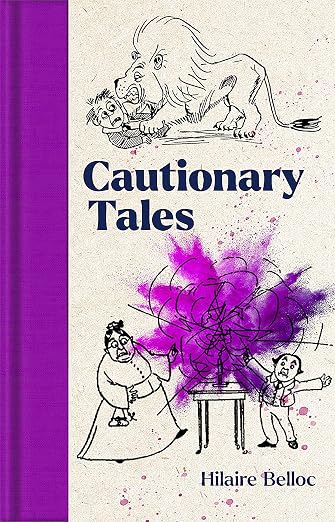
Our commitment to safety extends to our curation. We specialize in verified Public Domain works, which means the texts are historically significant and culturally vetted. We ensure that the editions we offer are family-friendly, preserving the original charm without modern, inappropriate alterations. Whether you are looking for a humorous cautionary verse to teach a lesson or a sweeping adventure to inspire a dream, our catalog is designed with the Sage’s wisdom—guiding you toward choices that are both enriching and safe.
We also believe that quality service is part of a safe environment. That is why we offer $0.00 Free shipping on all physical orders and 1-day digital delivery for our ebooks and audiobooks. If a story doesn’t resonate with your family, our 30-day hassle-free returns and 2-day refunds ensure that you can explore our collection with confidence. We want the only risk you take to be the discovery of a new favorite story, not a financial headache.
Conclusion: Equipping the Next Generation of Thinkers and Dreamers
The world is loud, fast, and demanding. It asks our children to grow up quickly and to consume information rapidly. But the classics ask something different. They ask for patience. They ask for empathy. They ask for the quiet courage to imagine a world beyond the screen. By integrating classic children audiobooks young adult reading into your family’s routine, you are giving your child a gift that transcends entertainment: you are giving them the tools to think deeply and dream widely.
At Sheerenza, we are honored to be your companion on this journey. We view every commute, every workout, and every quiet evening as an opportunity to turn dead time into a sanctuary of learning. Whether you are introducing a toddler to the rhythms of language or guiding a teenager through the moral complexities of a fable, our curated collection is here to support you.
Do not let the dopamine trap define your child’s intellectual landscape. Reclaim the narrative. Explore our curated collection of timeless classics today and discover how a simple story, delivered with care, can spark a lifelong love of learning.
Explore the Sheerenza Collection at /shop/
Frequently Asked Questions on Classic Children’s Audiobooks
Are classic fairy tales too scary for young children?
This is a common concern, but the “scary” elements of classic tales—the wolves, the witches, the dark forests—serve a vital psychological purpose. In his seminal work The Uses of Enchantment, psychologist Bruno Bettelheim argued that fairy tales allow children to externalize their fears and learn that they can be overcome. The key is context and delivery. When listening to an audiobook with a parent, the child feels safe. The scary parts become a lesson in resilience, teaching them that danger exists but can be navigated with courage and cleverness. We recommend choosing versions that are age-appropriate and always being available for discussion.
How do audiobooks help with reading if my child isn’t looking at the words?
Audiobooks build “listening comprehension,” which is a precursor to reading comprehension. When a child listens to a complex sentence, they are absorbing syntax and vocabulary that they might not yet be able to decode visually. This builds a bank of language skills that they will draw upon when they do start reading. Furthermore, audiobooks model fluency. By hearing a narrator pause at commas and emphasize key phrases, children learn how reading should sound, which helps them when they eventually read aloud themselves. It is a complementary skill, not a replacement for visual reading.
What does “Public Domain” mean, and why is it important for Sheerenza?
Public Domain refers to creative works whose copyright has expired or was never established. This means they belong to the public, and anyone can use or distribute them freely. For Sheerenza, this is a cornerstone of our curation. It allows us to offer high-quality, unabridged classics at accessible prices without the legal restrictions that often lead to “adapted” or simplified versions. It ensures that you are getting the authentic text, preserving the author’s original intent and language, which is essential for the educational value of the work.
Can audiobooks replace traditional reading for my teenager?
While they should not completely replace the tactile experience of reading, audiobooks are an excellent supplement for teenagers. The demands of school and extracurricular activities often leave little time for pleasure reading. Audiobooks allow teens to engage with literature during their commute, while exercising, or while doing chores. For reluctant readers or those with learning differences like dyslexia, audiobooks can be the key that unlocks their love for stories. They provide access to the same rich content as their peers, fostering a sense of inclusion and intellectual confidence.

Add comment